

Turning 65? Start Here.
Turning 65? This Is Where Medicare Becomes Real.
For years, Medicare may have felt like something that applied to other people. Then suddenly your 65th birthday is approaching and Medicare is no longer a future decision—it’s your decision.
Whether retirement is around the corner or you’re still working and not planning to slow down anytime soon, turning 65 is often when people begin asking:
What am I supposed to do next?
The good news is that most people don’t need to understand everything about Medicare today. They simply need answers to a few important questions.
Schedule Appointment

Enrollment
Timeline

Coverage Options

Questions Most People Ask When Turning 65
Many people need to take action to enroll in Medicare when they become eligible. However, some individuals are automatically enrolled, while others may have different enrollment decisions if they’re still working and covered by an employer health plan.
The first step is understanding how Medicare applies to your situation.
Most people first become eligible for Medicare around their 65th birthday and have a limited enrollment window to get started. That’s why many people begin learning about Medicare several months before turning 65.
Understanding your enrollment timeline can help you avoid unnecessary stress and ensure you’re aware of your available options.
If you’re still working and have health insurance through your employer, you may not need to enroll in every part of Medicare right away.
Many people continue working beyond age 65 and have Medicare decisions that differ from someone who is already retired. Understanding how your current coverage works alongside Medicare is often one of the most important first steps.
Many people are surprised to learn that Medicare doesn’t pay for every healthcare expense.
Depending on your situation, you may still have deductibles, copayments, coinsurance, prescription drug costs, and other out-of-pocket expenses.
That’s one reason many people take time to learn about the different Medicare coverage options available to them.
In many cases, yes.
However, whether your doctor participates can vary depending on the type of Medicare coverage you choose.
Many people check their doctors, specialists, hospitals, and healthcare providers before making Medicare-related decisions.
This is one of the most common Medicare questions.
Medicare Advantage is an alternative way to receive your Medicare-covered benefits through a private insurance company approved by Medicare.
Medicare Supplement insurance works alongside Original Medicare and is designed to help pay certain out-of-pocket costs. Both are popular options, but they work very differently.
Even if you don’t currently take prescription medications, it’s important to understand how Medicare prescription drug coverage works.
Many people explore Part D coverage when they first become eligible for Medicare to understand how prescription medications may be covered.
The answer depends on the coverage you choose and your individual circumstances.
Costs may include premiums, deductibles, copayments, coinsurance, prescription drug expenses, and other healthcare costs.
Understanding the different parts of Medicare can help you better understand the costs you may encounter.
What Should I Do First?
If you’re turning 65, start with these three steps:
1
Determine Whether You Need to Enroll
Not everyone needs to enroll in Medicare at the same time.
2
Understand Your Enrollment Timeline
Knowing when you’re eligible to enroll can help you avoid missing important opportunities.
3
Learn About Your Coverage Options
Before making any decisions, take time to understand Original Medicare, Medicare Advantage, Medicare Supplement insurance, and prescription drug coverage.
Most people don’t need to make a Medicare decision today. They simply need to understand their options first.
Your Medicare Options at a Glance
Many people review their Medicare coverage during AEP because:

Original Medicare (Parts A & B)
The foundation of Medicare coverage, including hospital and medical insurance.
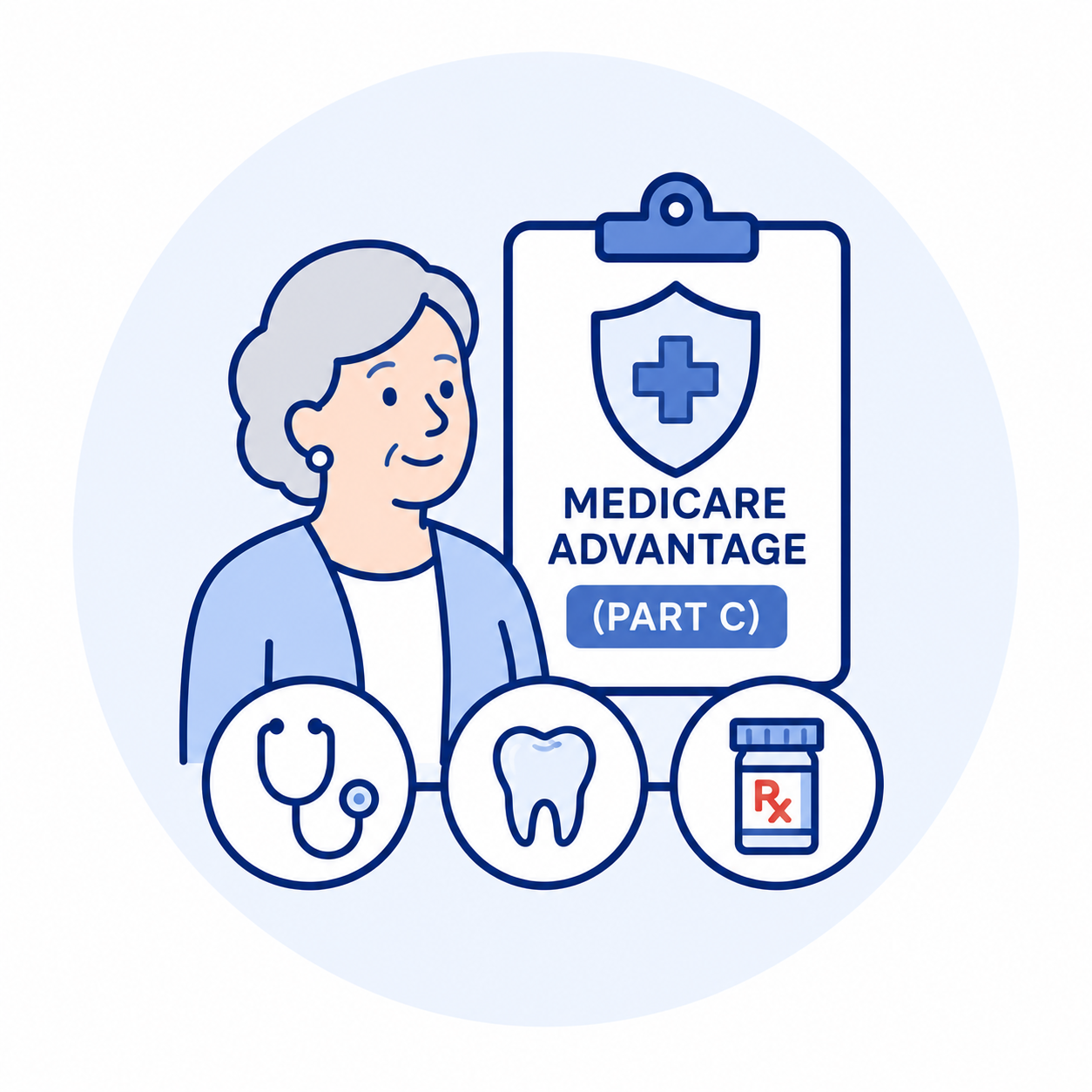
Medicare Advantage (Part C)
An alternative way to receive Medicare-covered benefits through a private insurance company approved by Medicare.
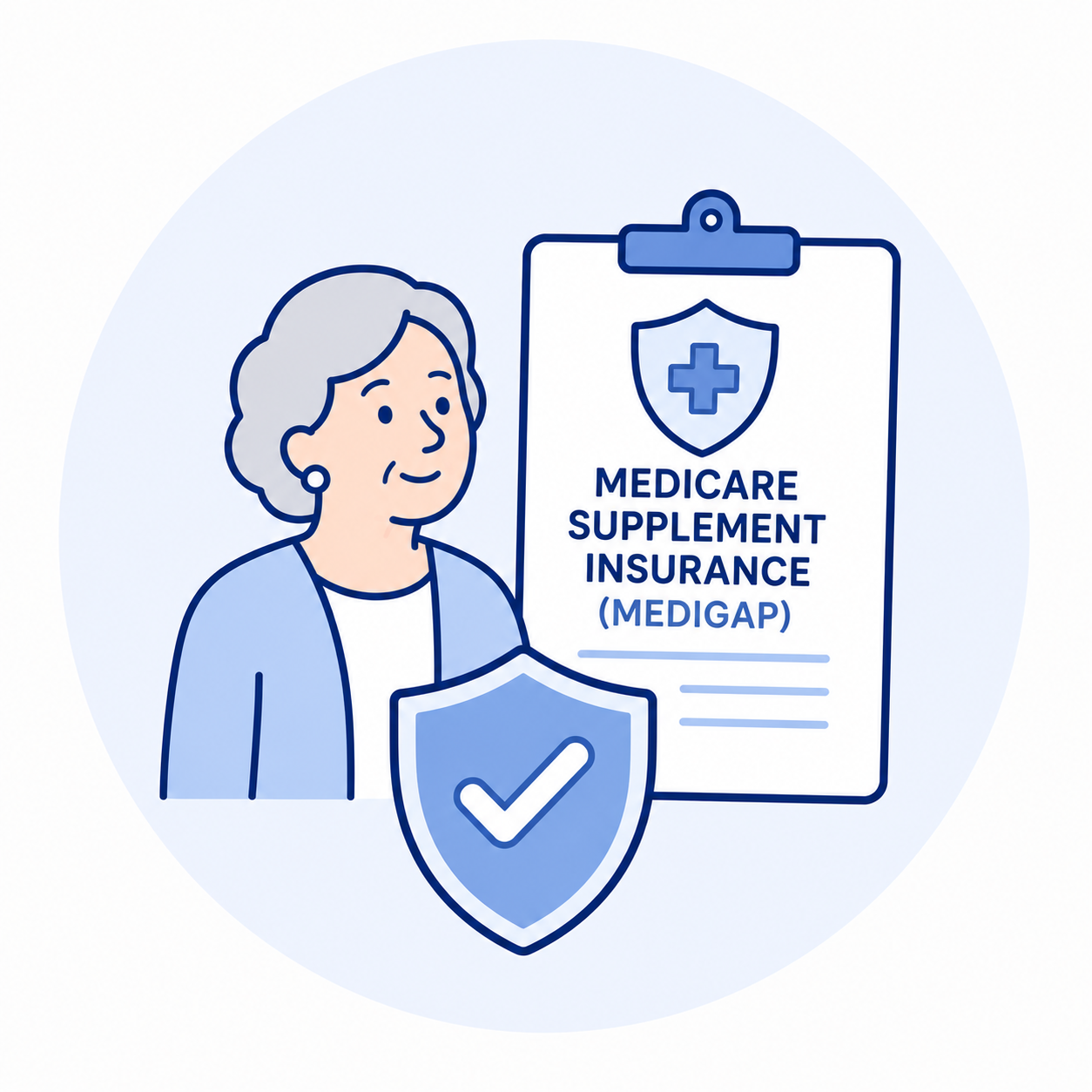
Medicare Supplement Insurance (Medigap)
Coverage designed to help address certain out-of-pocket costs associated with Original Medicare.

Prescription Drug Coverage (Part D)
Coverage designed to help pay for eligible prescription medications.
Each option serves a different purpose, which is why understanding the basics is often the best place to start.

The One Thing to Remember
Turning 65 isn’t about becoming a Medicare expert. It’s about understanding enough to take the next step with confidence.
Most people don’t need all the answers on day one. They simply need a place to start. Once you understand the basics, Medicare becomes much easier to navigate.

Have Questions About Turning 65?
Whether you’re retiring soon, continuing to work, or simply trying to understand what comes next, Nevada Medicare Plans provides educational resources and personalized guidance designed to help Nevada residents better understand Medicare.
Schedule Appointment