

Initial Enrollment Period (IEP)
Medicare Has a Starting Point. This Is It.
Most people spend a lot of time researching Medicare coverage. Far fewer spend time understanding when Medicare enrollment actually begins.
The Initial Enrollment Period (IEP) is the first Medicare enrollment opportunity many people receive.
Knowing when it happens can help you avoid missed opportunities, reduce unnecessary stress, and give you more time to understand your options before important decisions need to be made.

Know Your
Timeline

Enroll with
Confidence
Who Can Use This Enrollment Period?
Most people become eligible for an Initial Enrollment Period when they approach age 65. This is the first opportunity many individuals have to enroll in Medicare. Some people may qualify for Medicare earlier because of certain disabilities or medical conditions, but for most people, the Initial Enrollment Period is tied to their 65th birthday.
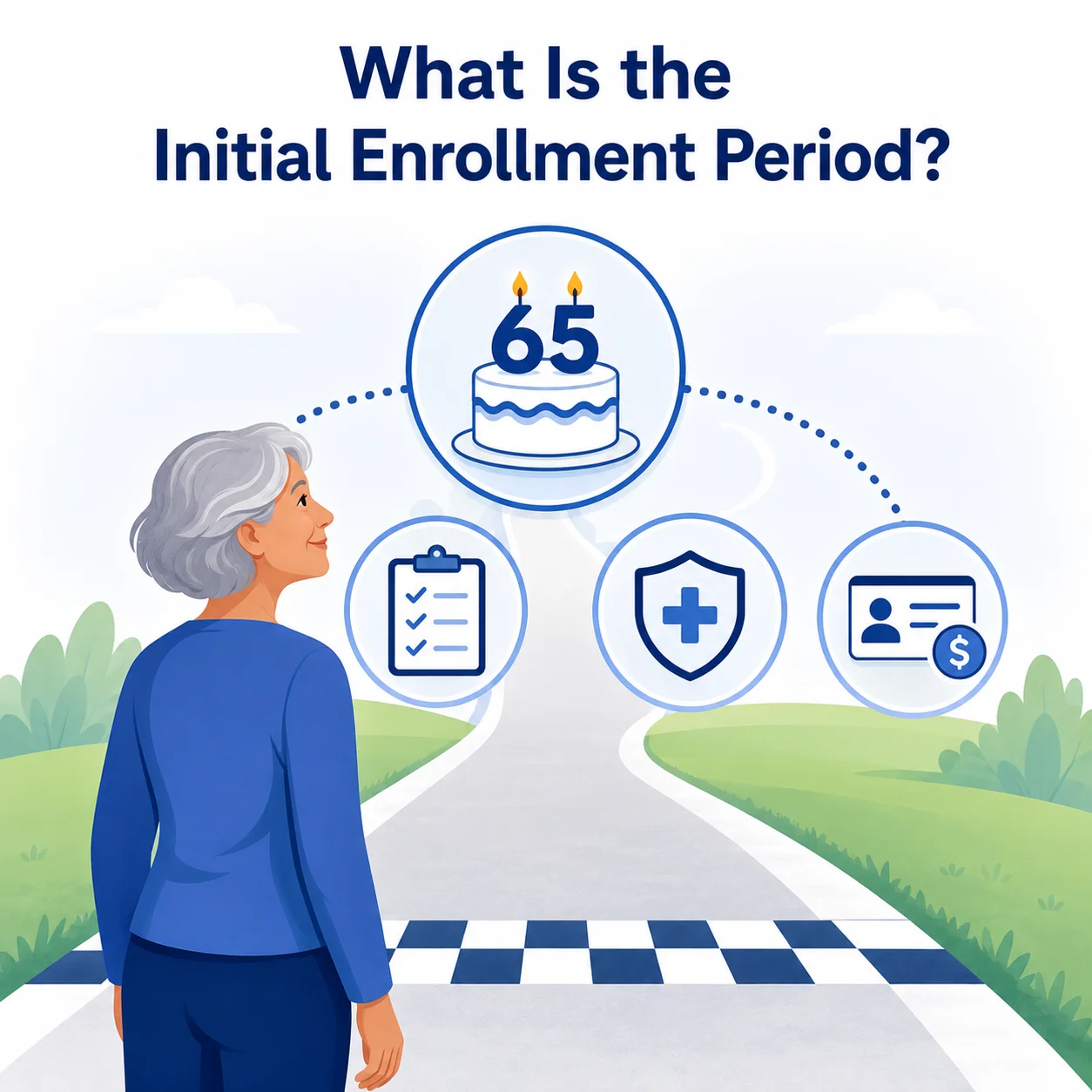
What Is the Initial Enrollment Period?
The Initial Enrollment Period is the first opportunity many people have to enroll in Medicare.
For most individuals, it is tied to their 65th birthday and serves as their introduction to the Medicare enrollment process.
Think of it as the starting line.
Before you compare plans, review costs, or decide what type of coverage may fit your needs, it’s important to understand when your Medicare enrollment opportunity begins.
Why Is the Initial Enrollment Period Important?
Many Medicare decisions start here.
Understanding your Initial Enrollment Period can help you:
- Know when you’re eligible to enroll.
- Avoid unnecessary delays in coverage.
- Understand your Medicare options before making decisions.
- Feel more prepared as you approach Medicare eligibility.
The goal isn’t simply enrolling in Medicare. The goal is understanding your options before enrollment decisions need to be made.
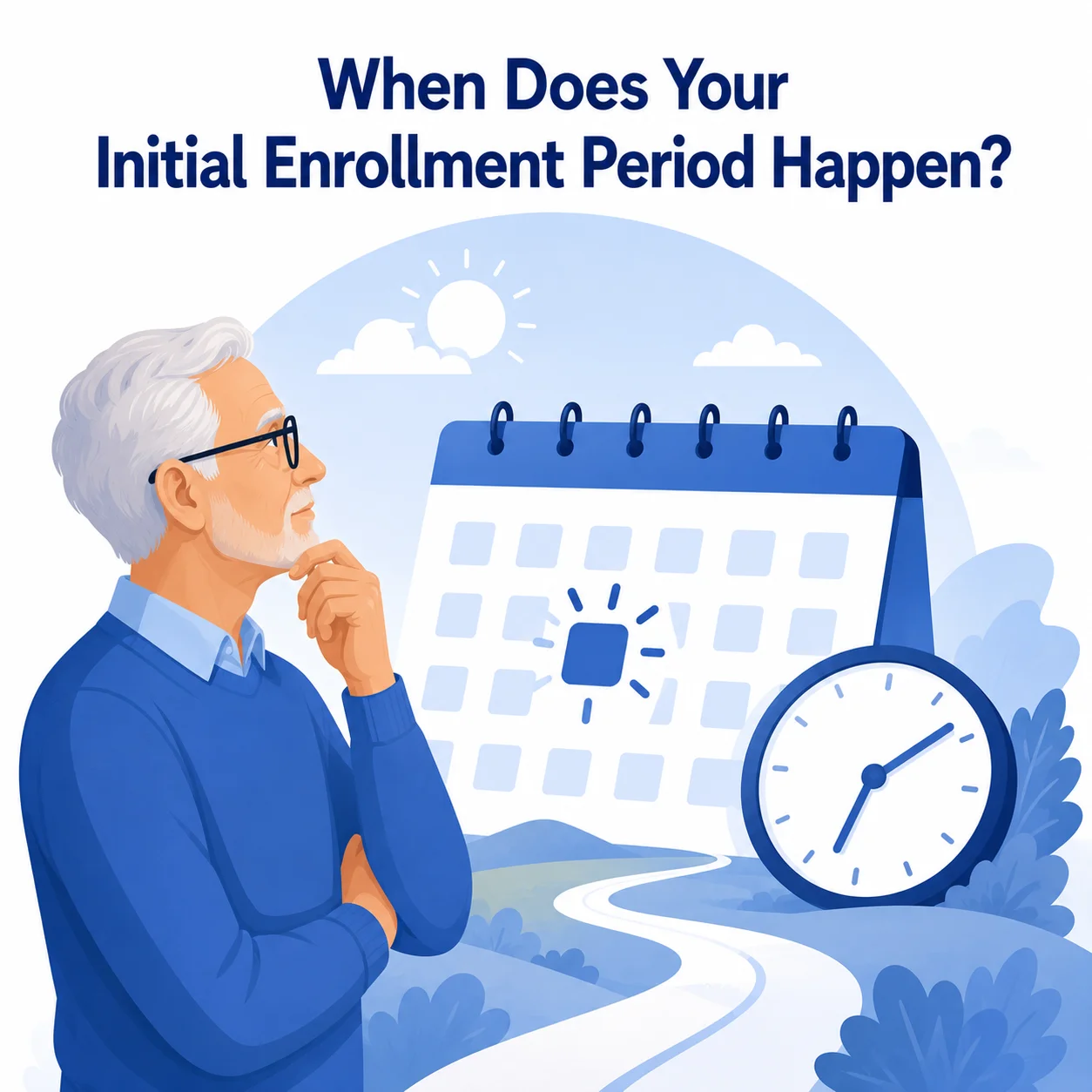
When Does Your Initial Enrollment Period Happen?
For most people, the Initial Enrollment Period is centered around their 65th birthday.
It begins before your birthday month, includes your birthday month, and continues afterward.
That’s why many people begin learning about Medicare several months before they become eligible.
Starting early gives you more time to understand your options and prepare for the decisions ahead.
Do Any of These Sound Familiar?
You may be researching Medicare because:

You’re turning 65 soon.

You’re not sure whether you need to enroll.

You’re still working and have employer coverage.

You’re concerned about missing an enrollment deadline.

You’re trying to understand what happens next.
You want to avoid costly mistakes.

Common Questions About Medicare Enrollment
Many people do need to take action to enroll when they become eligible.
Some individuals are automatically enrolled, while others may have different enrollment considerations if they’re still working or covered by an employer health plan.
Understanding your specific situation is one of the most important first steps.
Many people continue working beyond age 65.
If you’re covered by an employer health plan, you may not need to make the same Medicare decisions as someone who is already retired.
Understanding how Medicare works alongside employer coverage can help you determine what steps may be appropriate for your situation.
Your Initial Enrollment Period is unique to you. For most people, it lasts for seven months:
- 3 months before your birthday month
- Your birthday month
- 3 months after your birthday month
Yes. When you enroll can affect when your Medicare coverage begins.
Starting the process early can give you more time to understand your options and avoid unnecessary delays.
Some people are automatically enrolled in Medicare, while others need to actively enroll.
Knowing which situation applies to you can help ensure you’re prepared as your Medicare eligibility approaches.
Medicare includes several enrollment periods designed for different situations.
If you’re turning 65, the Initial Enrollment Period is often your first Medicare enrollment opportunity.
If you’re leaving employer coverage, you may qualify for a Special Enrollment Period (SEP) .
If you’re already enrolled in Medicare, other enrollment periods may apply depending on what you want to change.
Missing your Initial Enrollment Period may affect your future Medicare enrollment opportunities.
Depending on your circumstances, other enrollment periods may be available.
That’s one reason many people begin learning about Medicare before their enrollment window arrives.
Not necessarily.
Many people begin by understanding the basics of Medicare before making coverage decisions.
Learning how Original Medicare , Medicare Advantage , Medicare Supplement , and prescription drug coverage work can help you make more informed decisions when the time comes.
What Should You Do Before Your Initial Enrollment Period?
If Medicare eligibility is approaching, start with these three steps:

Learn the Basics of Medicare
Understanding the different parts of Medicare can make future decisions much easier.

Understand Your Situation
Your enrollment decisions may depend on whether you’re retired, still working, covered by an employer plan, or covered through a spouse.

Start Exploring Your Options Early
The earlier you begin learning about Medicare, the more time you’ll have to understand your choices and prepare for important decisions.

The One Thing to Remember
You don’t need to have every Medicare decision figured out before your Initial Enrollment Period begins.
You simply need to know when your enrollment opportunity occurs and understand the options available to you. The earlier you start learning, the easier the process becomes.

Have Questions About Your Initial Enrollment Period?
If you’re approaching age 65, planning for retirement, or simply trying to understand when Medicare begins, Nevada Medicare Plans provides educational resources and personalized guidance designed to help Nevada residents better understand their Medicare enrollment options.
Schedule Appointment