

Step 1: Understand When Medicare Applies to You
For many people, Medicare becomes relevant around age 65.
The first step is understanding your eligibility and enrollment timeline.
One of the biggest misconceptions about Medicare is that you need to understand it all before making any decisions. You don’t.



Instead of trying to learn everything at once, focus on these five topics.
For many people, Medicare becomes relevant around age 65.
The first step is understanding your eligibility and enrollment timeline.

Before comparing plans or benefits, it’s helpful to understand what Medicare itself provides.

After understanding Original Medicare, many people begin learning about Medicare Advantage, Medicare Supplement insurance, and prescription drug coverage.

Understanding when you can enroll or make changes to your coverage can help you avoid confusion later.
Everyone’s Medicare journey is different.
Some people are still working.
Some are helping a family member.
Others want to understand costs or provider access.
Start with the questions that matter most to your situation.
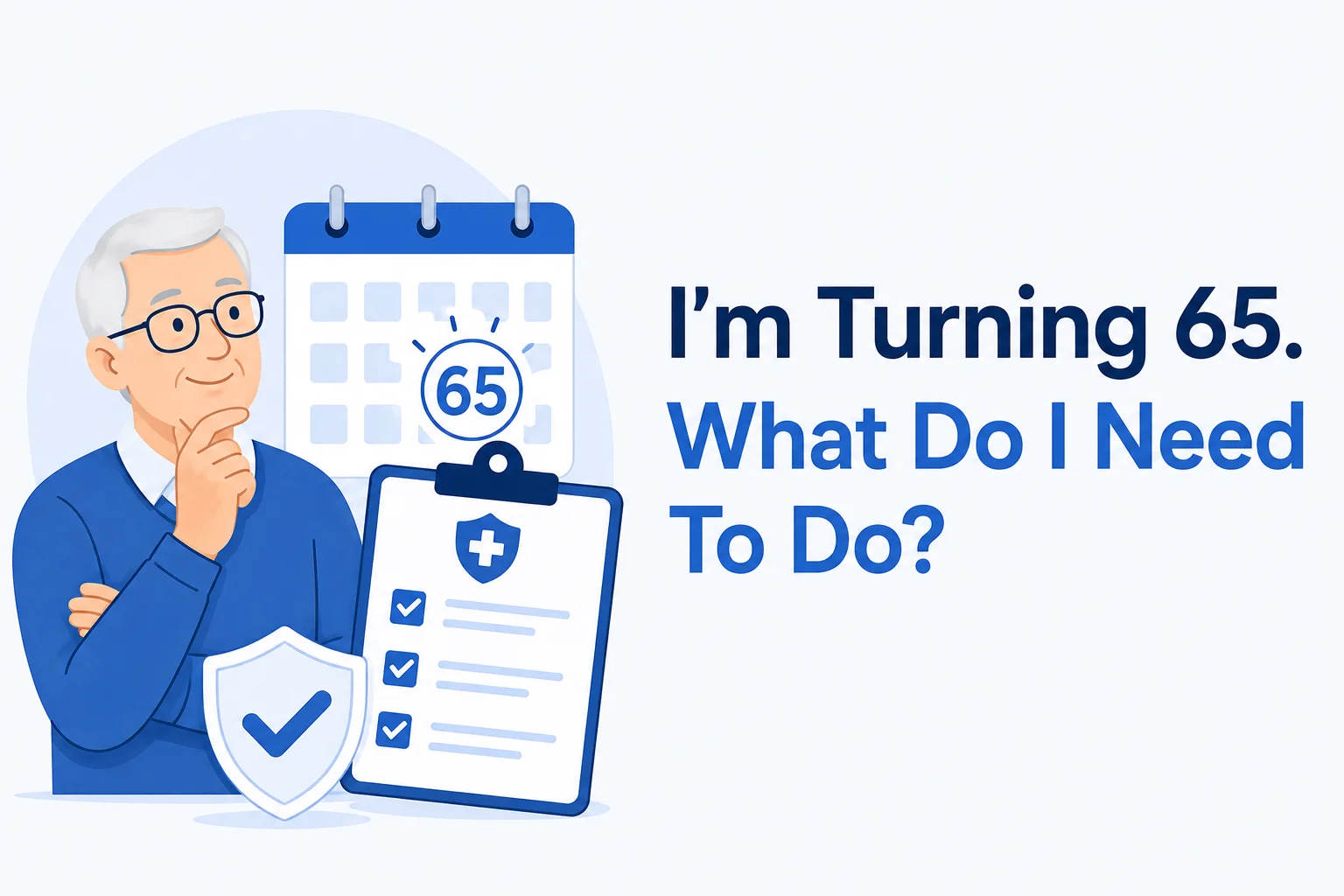
Most people become eligible for Medicare at age 65 and have a limited enrollment window to get started. Understanding your options early can help you avoid costly mistakes and coverage gaps.
Learn More About Turning 65 →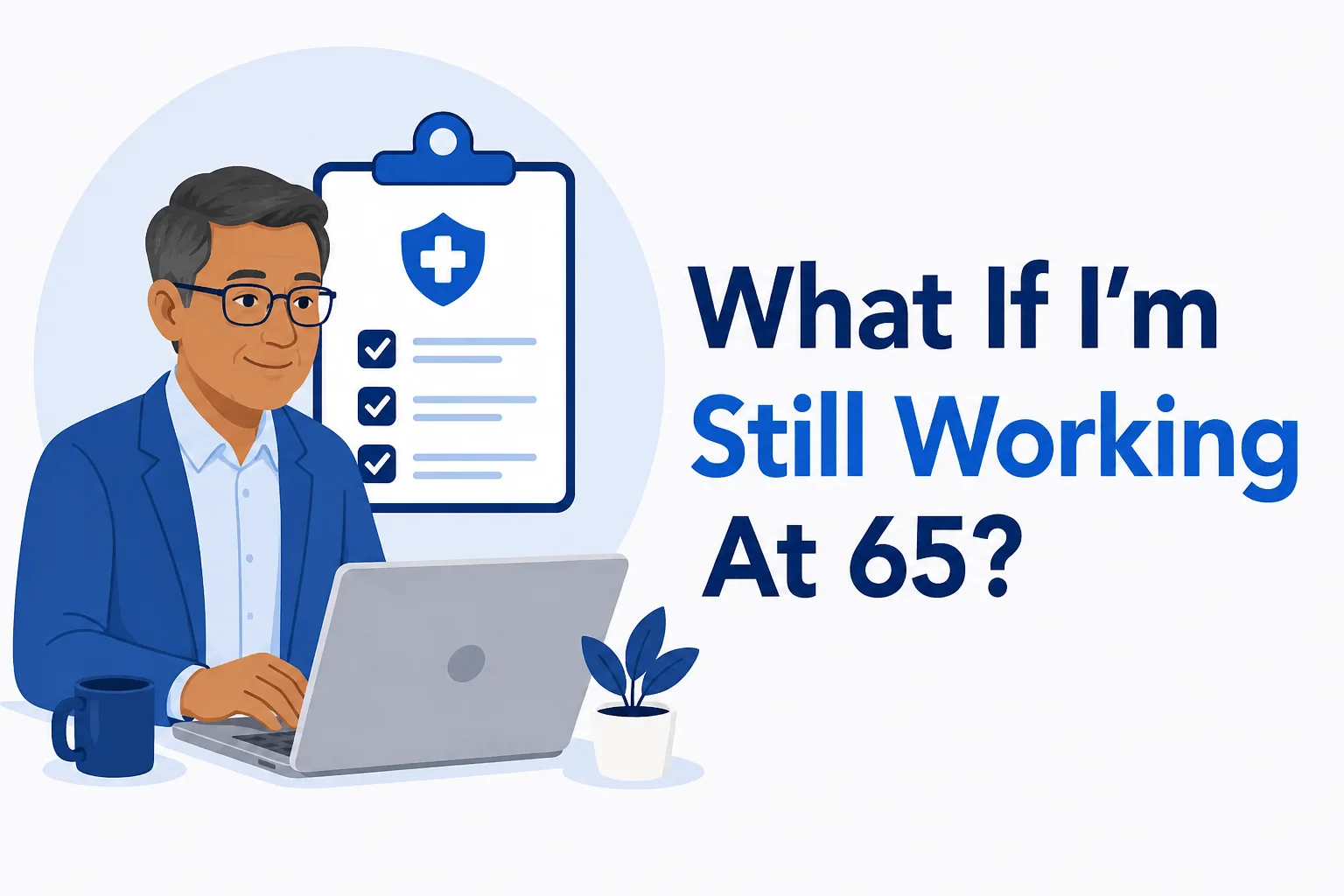
If you’re covered by an employer health plan, you may not need to enroll in every part of Medicare right away. Timing your enrollment correctly can help you avoid penalties and coverage issues.
Learn About Medicare & Employer Coverage →
In many cases, yes—but it depends on the type of Medicare coverage you select. Before enrolling, it’s important to check whether your preferred doctors and hospitals participate.
Learn More →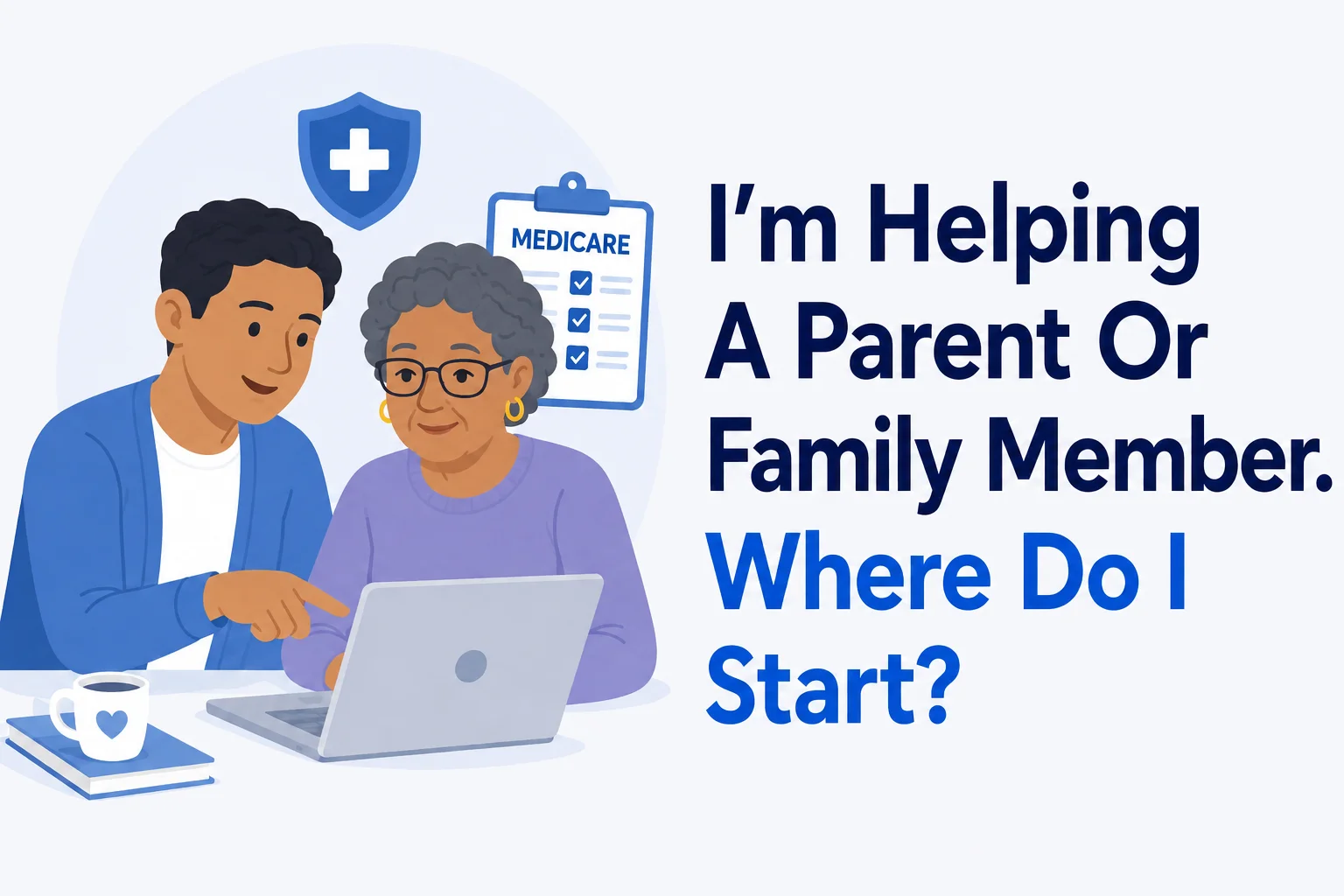
Medicare can feel overwhelming, especially when helping someone you care about. Learning the basics is the first step toward making confident coverage decisions.
Get Medicare Guidance for Caregivers →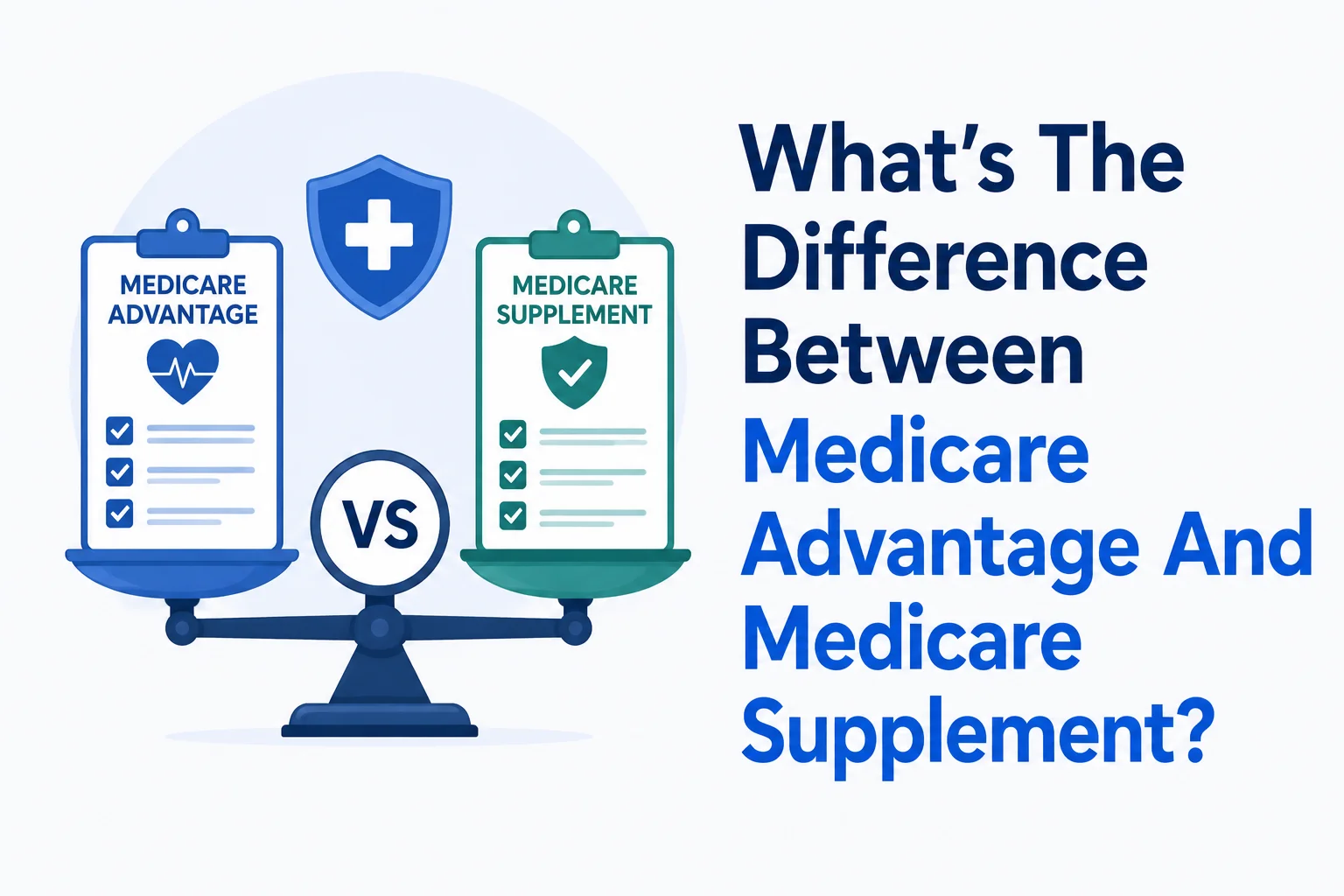
Both options can help reduce your healthcare costs, but they work very differently. The right choice depends on your budget, doctors, travel habits, and healthcare needs.
Learn More →
You don’t need to understand every Medicare rule, plan, or enrollment period today.
Focus on one topic at a time.
The more you learn, the easier Medicare becomes to navigate.

Explore the Medicare resources most relevant to your situation or schedule an appointment if you’d like to discuss your questions.
Schedule Appointment